


 Sticky post
Nancy French’s ‘Ghosted’ offers a haunting, helpful read — but not for everyone
Author recounts growing up in Churches of Christ — and her sexual assault by a preacher. By Bobby Ross Jr. | The Christian Chronicle The biggest villain — and rightly so — in Nancy French’s memoir “Ghosted: An American Story” is a preacher who gives the seventh-grader a ride home from Vacation Bible School. “In his early twenties, he was too young to be a preacher,” French writes. “But … Continue reading Nancy French’s ‘Ghosted’ offers a haunting, helpful read — but not for everyone

 Sticky post
What’s really going on at the Texas Rangers game
The story behind ministers spending an afternoon in a ballpark suite. By Bobby Ross Jr. | The Christian Chronicle ARLINGTON, TEXAS —Fishing is about more than fishing. That was the gist of a Top 10 country song released in 2011. Trace Adkins’ “Just Fishin’” details a father’s deeper desire for simple time spent with his daughter: And she thinks we’re just fishing on the riverside Throwing back what … Continue reading What’s really going on at the Texas Rangers game
 Sticky post
Be honest: What do you think of my new face?
By Bobby Ross Jr. | The Christian Chronicle OKLAHOMA CITY — My parents must be so proud. I’ve finally arrived. That’s right: I’ve reached cartoon status in an international Christian newspaper. Over the past 19 years, I’ve written more than 150 Inside Story columns for The Christian Chronicle. Readers have become accustomed to seeing my mugshot on Page 3. “You look just like your picture in the paper,” I’ve … Continue reading Be honest: What do you think of my new face?
 Sticky post
🖥️ Time for a reboot: The start of something new 🔌
Editor’s note: Every Friday, “Weekend Plug-in” meets readers at the intersection of faith and news. Subscribe now to get this column delivered straight to your inbox. Got feedback or ideas? Email Bobby Ross Jr. at therossnews@gmail.com. PITTSBURGH — It’s time for a reboot. This column marks the start of something new. I enjoyed visiting with Clemente Lisi, executive editor of Religion Unplugged, at last week’s 75th … Continue reading 🖥️ Time for a reboot: The start of something new 🔌
 Sticky post
Evangelical Press Association again recognizes Christian Chronicle as top newspaper
The Chronicle earned first-place awards for its print and digital publications. From The Christian Chronicle: LEXINGTON, Ky. — For the fifth time in the past six years, the Evangelical Press Association has recognized The Christian Chronicle with its first-place Award of Excellence for print newspapers. The professional organization also honored the Chronicle’s website with its top prize for newspaper-online news. In all, the Oklahoma City-based international newspaper for Churches of Christ earned nine awards … Continue reading Evangelical Press Association again recognizes Christian Chronicle as top newspaper
 Sticky post
😎 From moon pies to solar-theme tracts, religious groups ready for the eclipse 🔌
Editor’s note: Every Friday, “Weekend Plug-in” features analysis, fact checking and top headlines from the world of faith. Subscribe now to get this newsletter delivered straight to your inbox. Got feedback or ideas? Email Bobby Ross Jr. at therossnews@gmail.com. By Bobby Ross Jr. | Religion Unplugged Astronomical legal action: How religious an event is the eclipse for some? So much so that six New York inmates have sued to see it, ReligionUnplugged.com’s own Clemente Lisi … Continue reading 😎 From moon pies to solar-theme tracts, religious groups ready for the eclipse 🔌
 Sticky post
The bright present — and future — of the church
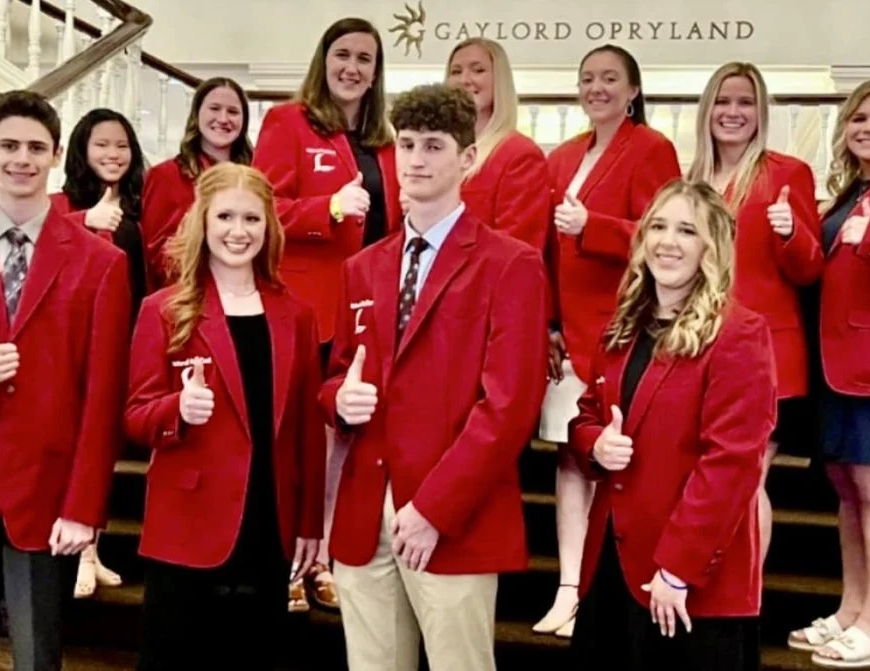
Attendance tops 10,000 at the largest of Lads to Leaders’ half-dozen Easter weekend conventions across the nation. By Bobby Ross Jr. | The Christian Chronicle NASHVILLE, Tenn. — Twenty-two years ago, my young family loaded a U-Haul truck and trekked east on Interstate 40 so I could chase a big dream. No, I didn’t move to Nashville to seek country music stardom. Sadly, I can’t carry a tune. Instead, … Continue reading The bright present — and future — of the church
 Sticky post
Teens mix radio show’s humor with Bible’s message
Lads to Leaders puppets skit draws Alabama broadcast duo’s attention. By Bobby Ross Jr. | The Christian Chronicle NASHVILLE, Tenn. — Make listeners snicker? That’s what Rick Burgess and Bill “Bubba” Bussey do on their nationally syndicated radio comedy show. Evoke that same laughter as bulbous, fabric-headed Bible teachers in a puppet skit by Christian teens? Now, that’s a new one. Related: The bright present — and future — … Continue reading Teens mix radio show’s humor with Bible’s message
 Sticky post
‘Midland Christian Five’ say wrongful arrests devastated their lives and careers
Former educators open up about the federal lawsuit they filed — and their desire for an apology. By Bobby Ross Jr. and Kenneth Pybus | The Christian Chronicle Before life as they knew it disintegrated — before their jobs disappeared — Midland Christian School meant everything to Jared Lee and Dana Ellis. Both grew up in the K-12 Christian school and devoted their educational careers to the West Texas … Continue reading ‘Midland Christian Five’ say wrongful arrests devastated their lives and careers
 Sticky post
📊 Is America losing its religion? Four intriguing stats from a new national survey 🔌
Editor’s note: Every Friday, “Weekend Plug-in” features analysis, fact checking and top headlines from the world of faith. Subscribe now to get this newsletter delivered straight to your inbox. Got feedback or ideas? Email Bobby Ross Jr. at therossnews@gmail.com. By Bobby Ross Jr. | Religion Unplugged 80%: Eight out of 10 U.S. adults agree “religion’s role in American life is shrinking — a percentage that’s as high as it’s ever been in … Continue reading 📊 Is America losing its religion? Four intriguing stats from a new national survey 🔌
 Sticky post
🏆 Hello, Adelle: Longtime RNS journalist to receive Lifetime Achievement Award 🔌
Editor’s note: Every Friday, “Weekend Plug-in” features analysis, fact checking and top headlines from the world of faith. Subscribe now to get this newsletter delivered straight to your inbox. Got feedback or ideas? Email Bobby Ross Jr. at therossnews@gmail.com. By Bobby Ross Jr. | Religion Unplugged Best of the best: “Surely there’s someone out there who doesn’t like Adelle M. Banks. “I just haven’t found that person yet.” Noting the respect afforded … Continue reading 🏆 Hello, Adelle: Longtime RNS journalist to receive Lifetime Achievement Award 🔌
 Sticky post
‘How can we bless these churches?’
At a time of declining numbers, post-pandemic challenges and political polarization, a Nebraska conference touts hope for revival. By Bobby Ross Jr. | The Christian Chronicle YORK, Neb. — At 8:30 a.m. on a weekday, exuberant voices praising God filled the historic prayer chapel at York University. About 130 Christians from 13 states and Canada sang hymns such as “There’s Not a Friend Like the Lowly Jesus,” “It … Continue reading ‘How can we bless these churches?’
 Sticky post
🤷🏻♀️ Are the feds still investigating Southern Baptist sex abuse? That’s a good question 🔌
Editor’s note: Every Friday, “Weekend Plug-in” features analysis, fact checking and top headlines from the world of faith. Subscribe now to get this newsletter delivered straight to your inbox. Got feedback or ideas? Email Bobby Ross Jr. at therossnews@gmail.com. By Bobby Ross Jr. | Religion Unplugged Good morning, Weekend Plug-in readers! Since we last convened, we had Super Tuesday (the Biden-Trump rematch is all but set) and the State of the Union … Continue reading 🤷🏻♀️ Are the feds still investigating Southern Baptist sex abuse? That’s a good question 🔌
 Sticky post
Trusting God in the fire
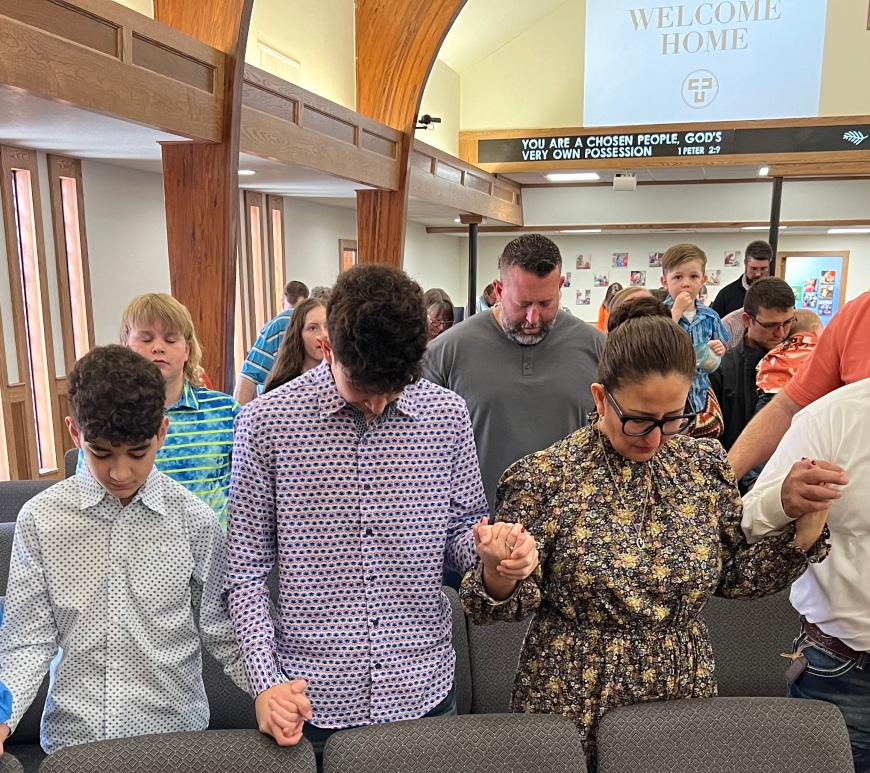
In the Texas Panhandle, Christians lean on their faith after the largest wildfire in state history. By Bobby Ross Jr. | The Christian Chronicle CANADIAN, Texas — Dead cattle. Burned homes. Scorched prairie. The largest wildfire in state history made a mess of this small ranching town in the Texas Panhandle, forcing the Canadian Church of Christ to delay its planned Missions Giving Sunday. “We’ve had to put it off because of … Continue reading Trusting God in the fire
 Sticky post
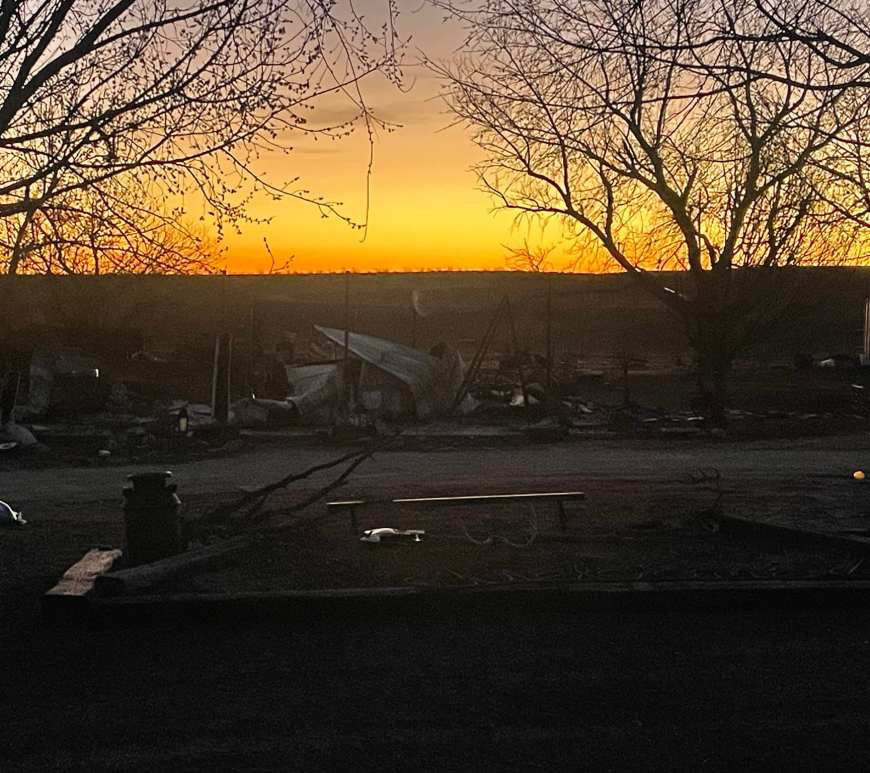
‘God will provide’: Preacher loses house in Texas wildfire
‘You can replace things, but lives and souls — you can’t replace those,’ Shawn Davis says. By Bobby Ross Jr. | The Christian Chronicle CANADIAN, Texas — The sun came up on the Sunday morning after the fire. “More importantly, the Son arose,” said Shawn Davis, who snapped a photograph of the orange rays lighting up the scorched prairie. “Hope prevails!” The 55-year-old oil field worker … Continue reading ‘God will provide’: Preacher loses house in Texas wildfire
 Sticky post
‘It’s not the amount … it’s the heart’
Why did a Houston church give $50,000 to help Texas Panhandle wildfire victims — 600 miles away? Well, that’s an interesting story. By Bobby Ross Jr. | The Christian Chronicle CANADIAN, Texas — Nearly 600 miles separate this small town in the Texas Panhandle from the vast metropolis of Houston in the southeast part of the Lone Star State. The 800 members of the Memorial Church of Christ in Houston … Continue reading ‘It’s not the amount … it’s the heart’
 Sticky post
🧪 Faith and frozen embryos: Alabama’s IVF ruling stirs religious debate 🔌
Editor’s note: Every Friday, “Weekend Plug-in” features analysis, fact checking and top headlines from the world of faith. Subscribe now to get this newsletter delivered straight to your inbox. Got feedback or ideas? Email Bobby Ross Jr. at therossnews@gmail.com. By Bobby Ross Jr. | Religion Unplugged Does God oppose in vitro fertilization?: Religions hold differing views, according to the Washington Post’s Michelle Boorstein: In an Alabama Supreme Court ruling equating IVF embryos … Continue reading 🧪 Faith and frozen embryos: Alabama’s IVF ruling stirs religious debate 🔌
 Sticky post
Church members’ homes destroyed in Texas Panhandle wildfire
At least a half-dozen families who attend Churches of Christ must rebuild after the largest blaze in Texas history. By Bobby Ross Jr. | The Christian Chronicle Multiple members of Churches of Christ have lost homes in the Texas Panhandle wildfire, which has grown into the largest in state history. The blaze destroyed the residences of three families who attend the Canadian Church of Christ, about 100 miles northeast … Continue reading Church members’ homes destroyed in Texas Panhandle wildfire
 Sticky post
🐘 Left wants ‘to tear down crosses’: Trump talks to National Religious Broadcasters 🔌
Editor’s note: Every Friday, “Weekend Plug-in” features analysis, fact checking and top headlines from the world of faith. Subscribe now to get this newsletter delivered straight to your inbox. Got feedback or ideas? Email Bobby Ross Jr. at therossnews@gmail.com. By Bobby Ross Jr. | Religion Unplugged Good morning, Weekend Plug-in readers! Is Nashville, Tennessee, the center of the religion news universe? We’ve asked that before. It’s maybe an appropriate question again this … Continue reading 🐘 Left wants ‘to tear down crosses’: Trump talks to National Religious Broadcasters 🔌
 Sticky post
Christians cheer the Chiefs, fight the violence
Mass shooting at Super Bowl victory rally highlights the challenge facing Kansas City. By Bobby Ross Jr. | The Christian Chronicle KANSAS CITY, Mo. — Even before last week’s mass shooting at the Kansas City Chiefs’ Super Bowl victory rally, Branden Mims was focused on reducing violence in this city that mourned a record 182 homicides in 2023. Mims, the 35-year-old senior minister for the Greater Metropolitan Church of Christ, leads a faith-based … Continue reading Christians cheer the Chiefs, fight the violence
 Sticky post
🚨 5 takeaways from the shooting at Joel Osteen’s Lakewood Church 🔌
Editor’s note: Every Friday, “Weekend Plug-in” features analysis, fact checking and top headlines from the world of faith. Subscribe now to get this newsletter delivered straight to your inbox. Got feedback or ideas? Email Bobby Ross Jr. at therossnews@gmail.com. By Bobby Ross Jr. | Religion Unplugged We start with five takeaways from Sunday’s shooting at Joel Osteen’s Lakewood Church in Houston. 1. What happened: Genesse Moreno, 36, “allegedly fired an AR-style rifle and … Continue reading 🚨 5 takeaways from the shooting at Joel Osteen’s Lakewood Church 🔌
 Sticky post
A new Sunday night tradition
Tennessee church launches a small-group ministry ‘to grow our people and reach the community.’ It’s just one of many congregations trying a different approach. By Bobby Ross Jr. | The Christian Chronicle DICKSON, Tenn. — An NFL game played on the TV as about a dozen people arrived at Chris and Libby McCurley’s house on a recent Sunday night. The casually attired guests chatted for a few … Continue reading A new Sunday night tradition
 Sticky post
🏈 Faith and football: Would Jesus bet on the Super Bowl? 🔌
Editor’s note: Every Friday, “Weekend Plug-in” features analysis, fact checking and top headlines from the world of faith. Subscribe now to get this newsletter delivered straight to your inbox. Got feedback or ideas? Email Bobby Ross Jr. at therossnews@gmail.com. By Bobby Ross Jr. | Religion Unplugged The numbers game: “An estimated 67.8 million Americans are expected to bet on Sunday’s Super Bowl, a 35% increase from … Continue reading 🏈 Faith and football: Would Jesus bet on the Super Bowl? 🔌
 Sticky post
Trip conjures nostalgia for time spent at Abilene Christian University
Editor travels to West Texas to report on debate over sexual stewardship policy. By Bobby Ross Jr. | The Christian Chronicle ABILENE, Texas — I don’t bleed purple, but I do have fond memories of Abilene Christian University. As best I can remember, I first visited the West Texas campus nearly 40 years ago. The year was 1984. Related: ACU rebuffs the left and the right in reaffirming its sexual … Continue reading Trip conjures nostalgia for time spent at Abilene Christian University
 Sticky post
ACU rebuffs the left and the right in reaffirming its sexual stewardship policy
One group petitioned the West Texas university to loosen its stance on same-sex relationships. Another pushed for tougher language. By Bobby Ross Jr. | The Christian Chronicle ABILENE, Texas — For students at Abilene Christian University, the debate over traditional vs. affirming views on same-sex relationships is not purely theological. It’s personal. Whether they support the university’s sexual stewardship policy, which calls for chastity outside of marriage between a man and … Continue reading ACU rebuffs the left and the right in reaffirming its sexual stewardship policy
 Sticky post
How covering Pope John Paul II’s 1999 visit to St. Louis changed my journalism career
By Bobby Ross Jr. | Religion Unplugged OKLAHOMA CITY — From a young age, I’ve loved Jesus and journalism. I never intended, though, to become a religion reporter. My career trajectory changed 25 years ago when — to my surprise — editors of The Oklahoman assigned me to cover Pope John Paul II’s Jan. 26-27, 1999, visit to St. Louis. At the time, I was a 31-year-old education … Continue reading How covering Pope John Paul II’s 1999 visit to St. Louis changed my journalism career
 Sticky post
A lover of Jesus and paperbacks: Remembering a faithful Christian
Glynna Hartman, a former church secretary, exuded joy and feistiness. By Bobby Ross Jr. | The Christian Chronicle OKLAHOMA CITY — Glynna Hartman loved to read. The Bible. Religious books. Paperback romance novels. It’s that last one that drew so many chuckles at her memorial service Friday night at the Wilshire Church of Christ, the faithful Christian’s home congregation in Oklahoma City. As her son, David Hartman, recalls, she’d … Continue reading A lover of Jesus and paperbacks: Remembering a faithful Christian
 Sticky post
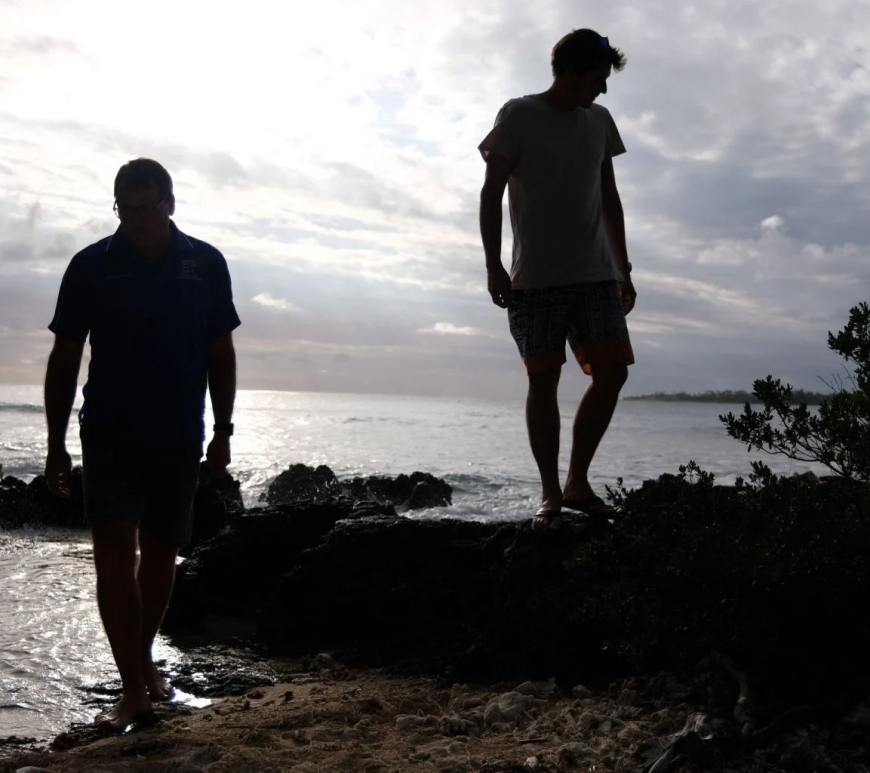
No phones allowed, but machetes OK: Global program aims to build teens’ faith
Immersive learning experience on a South Pacific island stretches Australian ninth graders physically and spiritually. By Bobby Ross Jr. | The Christian Chronicle PORT VILA, Vanuatu — The journey begins 1,200 miles — and a world — away. Ninth graders at an affluent Christian school in Australia leave their smartphones at home and fly to this developing island nation in the South Pacific. Students cram in the … Continue reading No phones allowed, but machetes OK: Global program aims to build teens’ faith
 Sticky post
🐘 Defining the Iowa evangelicals who support Trump: Is going to church a requirement? 🔌
Editor’s note: Every Friday, “Weekend Plug-in” features analysis, fact checking and top headlines from the world of faith. Subscribe now to get this newsletter delivered straight to your inbox. Got feedback or ideas? Email Bobby Ross Jr. at therossnews@gmail.com. By Bobby Ross Jr. | Religion Unplugged 2024 voting starts: What will happen Monday in the presidential campaign’s first formal test at the ballot box? “Donald Trump … Continue reading 🐘 Defining the Iowa evangelicals who support Trump: Is going to church a requirement? 🔌
 Sticky post
🎊 Happy New Year: What will be the big religion stories in 2024? 🔌
Editor’s note: Every Friday, “Weekend Plug-in” features analysis, fact checking and top headlines from the world of faith. Subscribe now to get this newsletter delivered straight to your inbox. Got feedback or ideas? Email Bobby Ross Jr. at therossnews@gmail.com. By Bobby Ross Jr. | Religion Unplugged Good morning, Weekend Plug-in readers! Today’s edition marks the launch of Plug-in’s fifth year. If you enjoy it, please encourage … Continue reading 🎊 Happy New Year: What will be the big religion stories in 2024? 🔌
 Sticky post
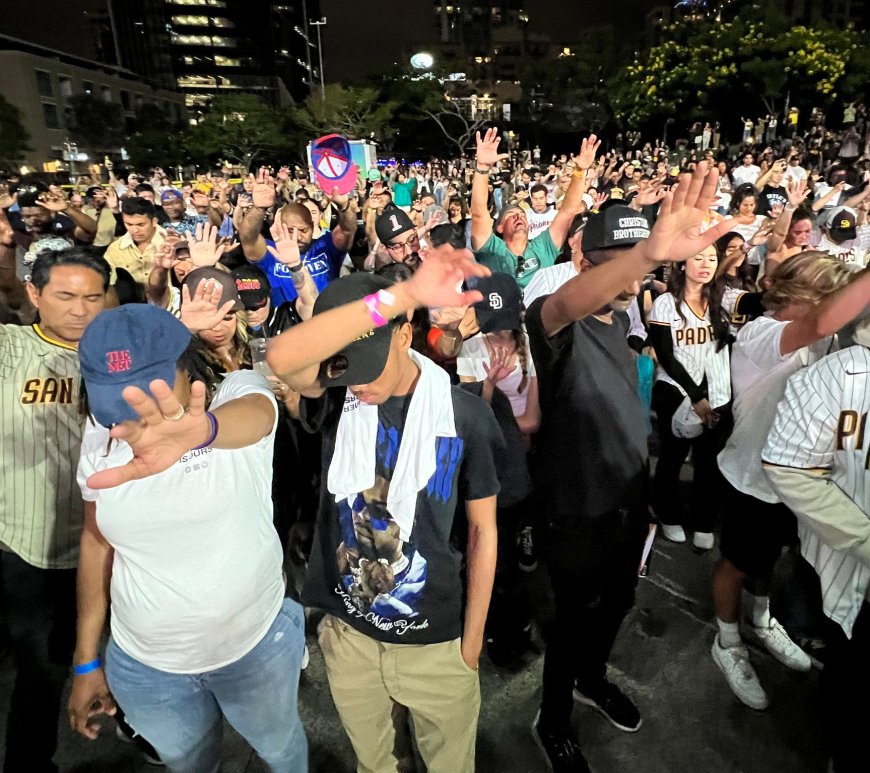
From MLB faith nights to refugee ministries, my Top 10 stories of 2023
By Bobby Ross Jr. I love what I do. I get paid to travel and tell interesting stories. 2023 marked my 34th year in full-time journalism, and I thank God for allowing me to live my dream. This year, I was blessed to report from a dozen states and four countries, including Cuba and Mexico. My stories from Australia and Vanuatu will publish early next year. Related: … Continue reading From MLB faith nights to refugee ministries, my Top 10 stories of 2023
 Sticky post
For newly arrived refugees, an unexpected Christmas blessing
Caring hearts welcome Ukrainian family to America with food, furniture and friendship. By Bobby Ross Jr. | The Christian Chronicle It’s a Christmas miracle. In an incredible set of circumstances, God made a wonderful thing happen for a Ukrainian refugee family this busy holiday week. “This is how God works, whether we realize it or not,” said my good friend David Duncan, minister for the Memorial Church of … Continue reading For newly arrived refugees, an unexpected Christmas blessing
 Sticky post
🏆 Weekend Plug-In year in review: The best religion journalism of 2023 🔌
By Bobby Ross Jr. | Religion Unplugged Good morning, Weekend Plug-in readers! For today’s special year-end edition, I asked some of the nation’s top religion journalists to share their favorite or most important story they produced during 2023. It’s a holiday week, so I didn’t catch up with everybody. But once again this year, I sure appreciate my Godbeat colleagues who responded — more than 60 … Continue reading 🏆 Weekend Plug-In year in review: The best religion journalism of 2023 🔌
 Sticky post
🗳️ Ballots are in: Check out the Top 10 religion stories of 2023 🔌
Editor’s note: Every Friday, “Weekend Plug-in” features analysis, fact checking and top headlines from the world of faith. Subscribe now to get this newsletter delivered straight to your inbox. Got feedback or ideas? Email Bobby Ross Jr. at therossnews@gmail.com. By Bobby Ross Jr. | Religion Unplugged Top 10 stories — times two: The Religion News Association used to do one Top 10 list. Now, it splits the … Continue reading 🗳️ Ballots are in: Check out the Top 10 religion stories of 2023 🔌
 Sticky post
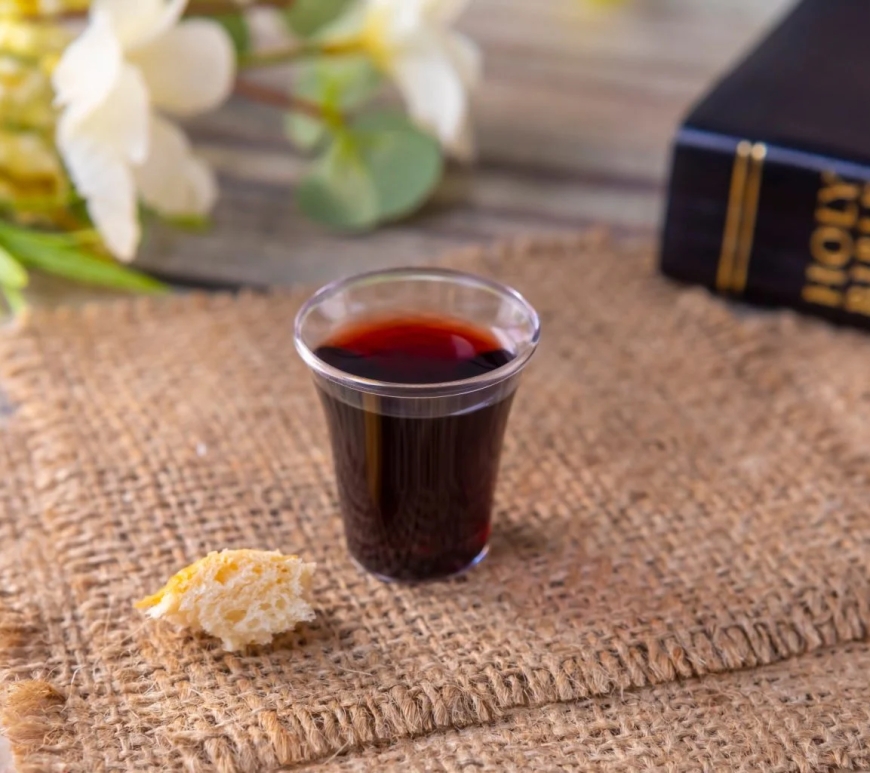
‘We who are many are one body’
A trip around the world provides a reminder of the global nature of communion. By Bobby Ross Jr. | The Christian Chronicle PORT VILA, Vanuatu — I forgot what day it was. I was tired — exhausted, actually — when I landed thousands of miles from home after roughly 30 hours of travel. I had ventured around the globe to report on a mission effort, yet I had … Continue reading ‘We who are many are one body’
 Sticky post
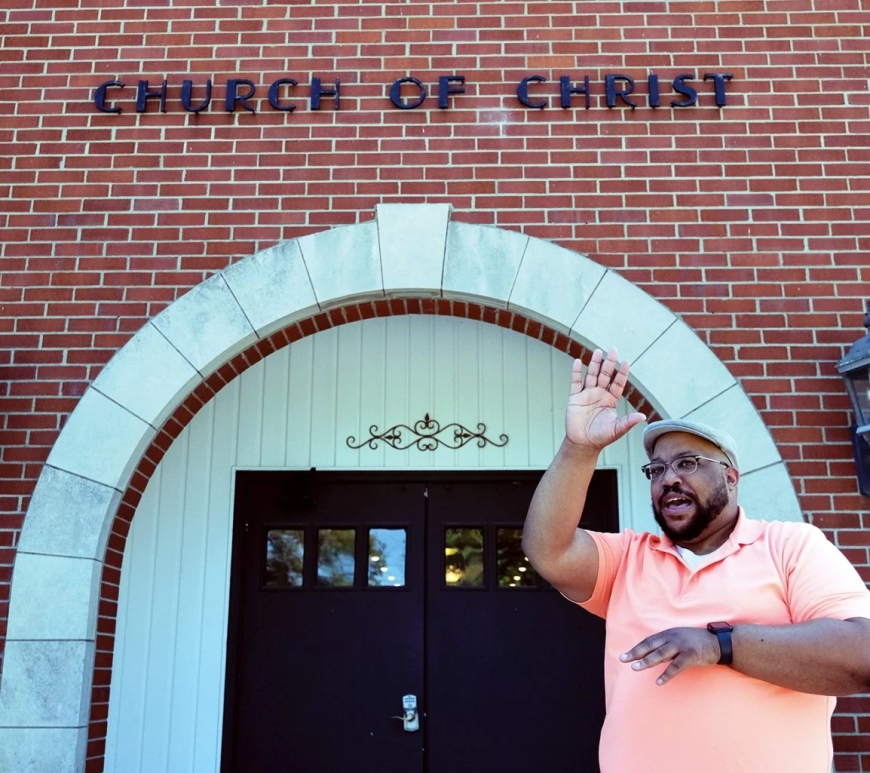
One of America’s oldest Churches of Christ celebrates its 200th anniversary
The rural Tennessee congregation traces its roots to studies led by Barton W. Stone, a key Restoration Movement leader. By Bobby Ross Jr. | The Christian Chronicle TUCKERS CROSSROADS, Tenn. — The Bethlehem Church of Christ has a long history — 200 years and counting. It has a bright future, too, lifelong member Carolyn Ragland Poston believes. “This congregation probably has 20 babies under 6 years old,” Poston, 74, said … Continue reading One of America’s oldest Churches of Christ celebrates its 200th anniversary
 Sticky post
The oldest Church of Christ in America? It’s complicated
The rural Kentucky congregation at the top of 21st Century Christian’s list began with Baptist ties in 1796. By Bobby Ross Jr. | The Christian Chronicle LOUISVILLE, Ky. — What’s the oldest Church of Christ in America? It’s the Cedar Springs Church of Christ in Kentucky’s rural Fern Creek community, according to a national directory published by 21st Century Christian. In actuality, the answer is more complicated. Yes, the Louisville-area congregation’s … Continue reading The oldest Church of Christ in America? It’s complicated
 Sticky post
Sermons on hate still resonate 60 years after JFK’s assassination
By Bobby Ross Jr. | Religion Unplugged DALLAS — Less than a year before the U.S. presidential election, pastors took to their pulpits to decry a culture of hate, extremism and vile politics. “Much of the hate and discord that has been poisoning our nation has been preached in the name of Christ and the church,” the Rev. Charles V. Denman declared. In a different sanctuary, … Continue reading Sermons on hate still resonate 60 years after JFK’s assassination
 Sticky post
For Cuba, a time of stress — and salvation
Amid an economic crisis, ministry and music propel a native son devoted to sharing the bread of life. By Bobby Ross Jr. | The Christian Chronicle MATANZAS, Cuba — Church members in this port city overlooking the Bay of Matanzas sang “Glory, Glory Hallelujah” on a recent Sunday as they celebrated the baptisms of five new Christians. Afterward, about 250 spiritual brothers and sisters ate fellowship meals piled … Continue reading For Cuba, a time of stress — and salvation
 Sticky post
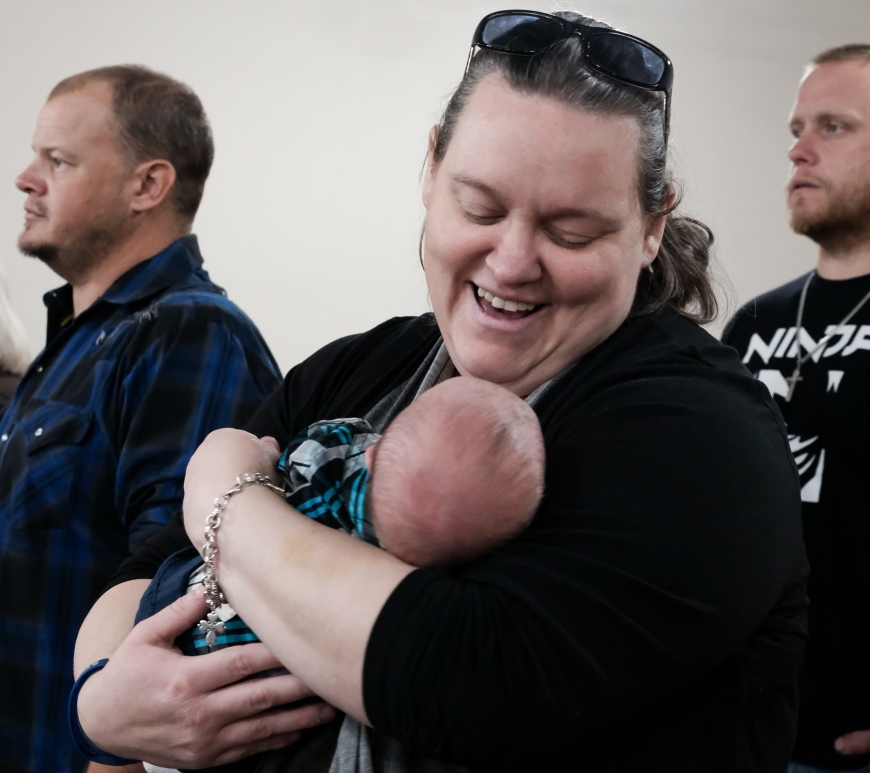
COVID-19 left her blind. Then it took her father. But this young mom refuses to ‘give up on God’
After all the trials, Texas church member receives an unexpected blessing — a son with a biblical name. By Bobby Ross Jr. | The Christian Chronicle LANCASTER, Texas — “Amazing Grace” welcomed tiny Samuel Souder to his first church service. Through the nursery glass echoed the sweet sound of the Cold Springs Church of Christ singing the familiar tune. Derek and Della Souder softly mouthed the words of the beloved hymn as they … Continue reading COVID-19 left her blind. Then it took her father. But this young mom refuses to ‘give up on God’
 Sticky post
Keeping the faith: Texas Rangers win the World Series
After the long-awaited triumph, it’s easy to draw parallels between baseball and the Christian life. By Bobby Ross Jr. | The Christian Chronicle ARLINGTON, Texas — I lived to see it. The Texas Rangers just won the World Series. Forty-one years after I first walked into the old Arlington Stadium and became a Rangers fan at age 14, my team achieved the ultimate baseball glory. Finally. Related: Road to the World … Continue reading Keeping the faith: Texas Rangers win the World Series
 Sticky post
A baseball blessing in Cuba
Not praying for Texas Rangers’ wins, but thanking God for them anyway. By Bobby Ross Jr. | The Christian Chronicle MATANZAS, Cuba — I crouched in anticipation as I stared at the TV. In a dark room with no air conditioning, I ignored the sweat dripping down my face and focused on the screen. A weather warning? A breaking news alert? Nope, a different kind of … Continue reading A baseball blessing in Cuba
 Sticky post
Road to the World Series: My Top 10 Texas Rangers games of 2023
By Bobby Ross Jr. ARLINGTON, Texas — Magical. That’s the best way to describe the Texas Rangers’ 2023 season. An exhilarating and sometimes excruciating journey has taken my beloved favorite team since 1982 all the way to the World Series. Update: Keeping the faith: Rangers win the World Series For the first time, my sons Brady and Keaton and I will get to experience the Fall Classic … Continue reading Road to the World Series: My Top 10 Texas Rangers games of 2023
 Sticky post
A lifeline for people who hurt — all the time
Chronic pain is more prevalent than many Christians realize. This ministry helps. By Bobby Ross Jr. | The Christian Chronicle WOODWARD, Okla. — Their elbows, knees and ankles throb. Fatigue wrecks their ability to move at times. Like around one-fifth of U.S. adults, these Christians — young and old, male and female — live with chronic pain. Often, they suffer alone, feeling as if no one understands. But at a … Continue reading A lifeline for people who hurt — all the time
 Sticky post
God and pot: Both sides cite faith in Oklahoma’s recreational marijuana fight
By Bobby Ross Jr. | Religion Unplugged OKLAHOMA CITY — Michelle Tilley says faith drives everything she does, including her fight to legalize recreational marijuana in her home state. Baptized at age 7 in the First Baptist Church of Comanche, Oklahoma, the longtime Democratic political consultant leads a group that has raised $3.2 million in support of State Question 820, a pro-marijuana initiative that the state’s voters … Continue reading God and pot: Both sides cite faith in Oklahoma’s recreational marijuana fight
 Faith. Family. Fastballs.